The Exposed Hand: Why Showing Your Tiles Changes the Game
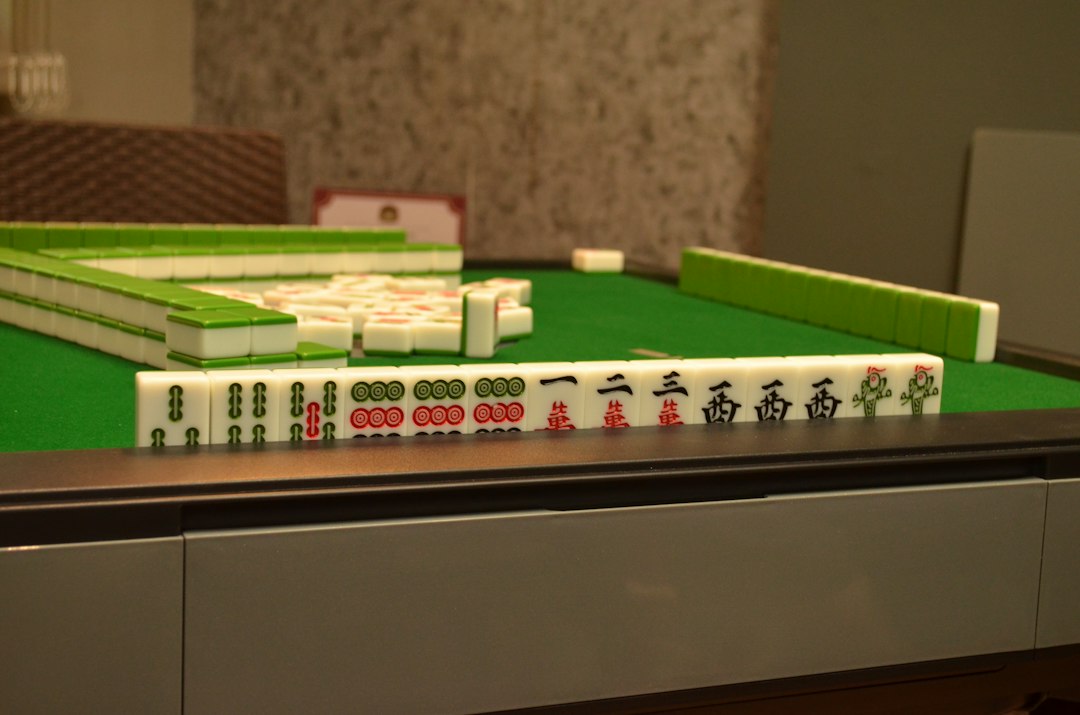
One of the quirks that makes American Mahjongg so engaging is that part of your hand doesn’t stay hidden forever. Once you make certain exchanges, those tiles go face-up for everyone to see. Suddenly your opponents have a clue about what you’re building, and the game takes on a whole new layer of intrigue.
A Window Into Your Strategy
When you expose tiles, you’re giving away information whether you mean to or not. A sharp-eyed opponent might start piecing together what kind of hand you’re chasing. This is part of what makes the game feel less like solitary tile-matching and more like a conversation at the table, even when no one says a word about their hand.
Of course, exposing tiles isn’t just a liability. It can also serve as a bit of misdirection. Some players deliberately shape their exposures to make their hand look like something it isn’t, nudging opponents toward discarding tiles they’d otherwise hold back.
The Psychology of Being Watched
There’s something a little nerve-wracking about laying tiles out where everyone can study them. New players sometimes feel exposed in more ways than one, worried that showing part of their hand will tip off exactly what they need. Experienced players learn to see it differently: everyone is working with partial information, and reading the table is simply part of the fun.
It also changes how you watch your opponents. A good player keeps half an eye on every exposed set at the table, using it to guess what’s coming next in the discard pile. Suddenly you’re not just playing your own hand, you’re tracking three others as well.
Building Trust and Table Awareness
Exposed tiles also create a shared sense of progress during the game. Everyone can see hands slowly taking shape around the table, which adds a bit of drama as the game goes on. You might find yourself holding your breath when an opponent’s exposure suggests they’re close to Mahjongg, or relaxing a little when it looks like they’re still far from finishing.
This visible element also reinforces honesty and care in handling tiles. Because so much is already out in the open, groups tend to develop a natural trust around how exchanges and calls are made. It’s one more small way the game encourages attentiveness and fair play without anyone needing to say so out loud.
Embracing the Open Hand
If you’re newer to the game, it can take some getting used to having part of your strategy on display. But many players come to enjoy this openness. It adds suspense, invites a bit of friendly guesswork, and keeps everyone leaning in a little closer to the table.
So the next time you expose a set, remember you’re not just making a move. You’re adding a piece to the puzzle everyone else at the table is trying to solve. That shared mystery is part of what makes American Mahjongg so satisfying to play again and again.