Why Your Hands Remember Even When Your Brain Forgets
If you’ve played Mahjongg for more than a year or two, you’ve probably had this moment: your fingers find a tile, sort it, and set it down before you’ve consciously registered what it even was. That’s not luck or magic. That’s muscle memory, and it’s one of the quietly wonderful things that happens the longer you play.
The Hands Learn Before the Mind Does
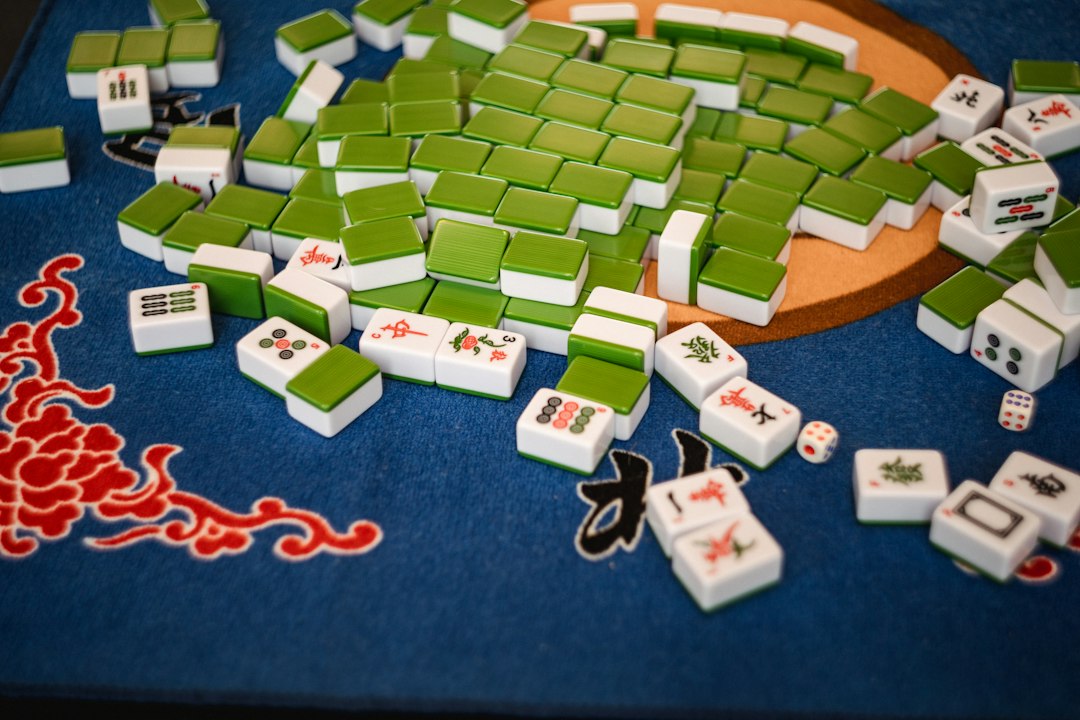
New players often have to look hard at every tile, double-check suits, and count dots or bams one by one. It takes real concentration. But somewhere along the way, after enough games, your hands start doing a lot of that work without waiting for instructions. You feel the shape of a Soap tile differently than a Crak. You can riffle through your rack and arrange by suit almost without looking.
This isn’t unique to Mahjongg, of course. Piano players develop it. Card dealers develop it. Anyone who repeats a physical task enough times eventually builds a kind of shortcut between hand and brain that skips the slow, deliberate thinking stage. Mahjongg, with its tactile tiles and repetitive motions, is a perfect setting for this to happen.
Why It Feels So Satisfying
There’s a particular pleasure in watching your own hands work faster than your conscious thought. It can feel like the game has become part of you, rather than something you’re still learning. Longtime players sometimes say they “just know” when a hand isn’t coming together, even before they can explain why. That instinct is built from hundreds of games of pattern recognition, quietly filed away.
It also changes the social rhythm of play. Experienced tables often move more quickly, not because anyone is rushing, but because less mental effort goes into the mechanical parts of the game. That frees up more attention for conversation, strategy, and simply enjoying the company around the table.
A Nice Side Benefit
There’s something encouraging in this for newer players, too. The fumbling, slow-sorting stage doesn’t last forever. Give it time, and your hands will start doing some of the thinking for you. It’s one more reason patience pays off with this game: the tiles themselves become familiar in a way that eventually feels almost effortless.
This kind of repeated, hands-on activity may also provide pleasant mental stimulation, though of course it’s not a substitute for other healthy habits. Mostly, it’s just a nice reminder of how much we absorb simply by showing up and playing, week after week.
Trust the Process
So the next time you catch your hands sorting a rack faster than you can explain why, give yourself a little credit. That ease didn’t come from nowhere. It came from games played, mistakes made, and tiles handled again and again until the whole thing started to feel like second nature. That’s not a small thing. It’s one of the quiet rewards of sticking with a game you love.