The Substitute Player: Filling an Empty Seat with Grace
Every regular Mahjongg group eventually faces the same small crisis: someone can’t make it. A cold, a doctor’s appointment, a grandchild’s recital—life happens. That’s when the substitute player steps in, and how your group handles that moment says a lot about its character.
The Rescue Player
Most groups keep a mental list, or maybe an actual phone contact, of people who can step in on short notice. This person might be a neighbor, a friend from another table, or someone from the club’s broader roster. Finding a reliable substitute is a bit like having a good backup goalie—you don’t think about them until you desperately need them, and then you’re endlessly grateful.
If you’re the one asking, a little advance notice goes a long way, even just an hour. And if you’re the one being asked, showing up ready to play, rather than needing a refresher course at the table, is a real gift to the group.
Welcoming the Newcomer
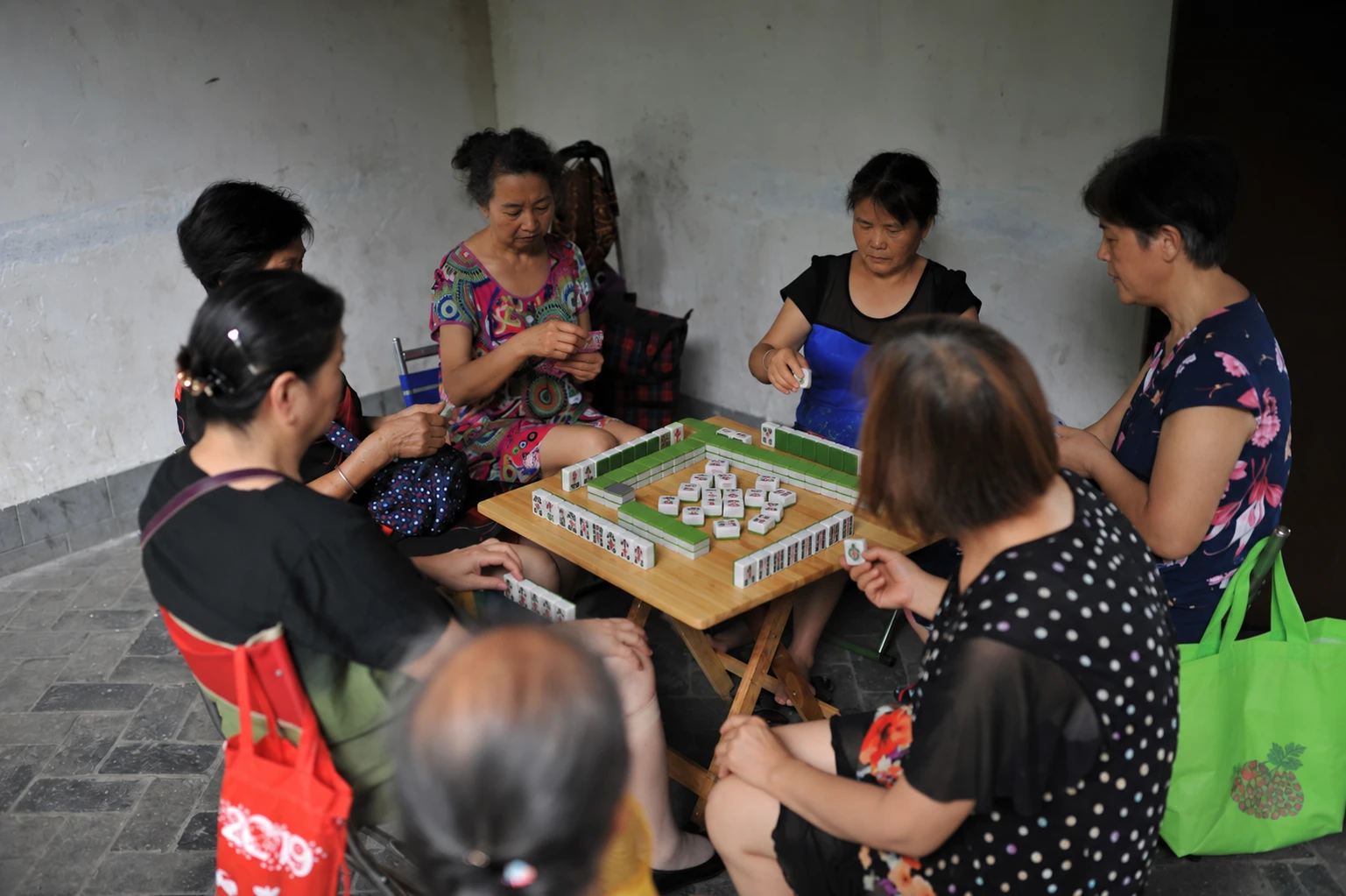
Sitting down with three strangers, or three people who already know each other well, can feel a little intimidating. A good group makes the substitute feel like part of the gang right away. That might mean a quick round of names, a friendly explanation of any house rules, or just an extra bit of patience if the pace feels unfamiliar.
Small gestures matter here. Offering a snack, asking about their regular game, or simply smiling through the inevitable slow first hand can turn a nervous guest into someone who’s delighted to be asked back.
The Etiquette of Filling In
As a substitute, it helps to read the room a little. Some tables move fast and chatter constantly; others are quieter and more focused. You don’t need to change who you are, but tuning into the existing rhythm shows respect for the group you’ve joined.
It’s also worth remembering that you’re a guest at someone else’s regular game. If there are particular customs—how they handle scoring, whether they play with certain house variations, how breaks are taken—just ask. Nobody expects you to already know their unwritten rules.
Building a Wider Circle
There’s an unexpected upside to all this shuffling of seats. Groups that regularly welcome substitutes tend to build wider social circles. You meet players you might never have crossed paths with otherwise, and sometimes a one-time fill-in turns into a standing invitation, or even a whole new friendship.
Clubs that encourage this kind of flexibility often find their community grows stronger for it. Instead of four tight, closed tables, you get a web of connections, with players who feel comfortable floating between groups when needed.
A Seat Worth Filling
An empty chair doesn’t have to mean a canceled game. With a little grace on both sides—the asking and the answering—a substitute player can turn a scheduling hiccup into a pleasant surprise. So next time you need a fourth, don’t hesitate to reach out. And if you’re ever the one filling in, know that you’re doing your fellow players a real favor, one tile at a time.